
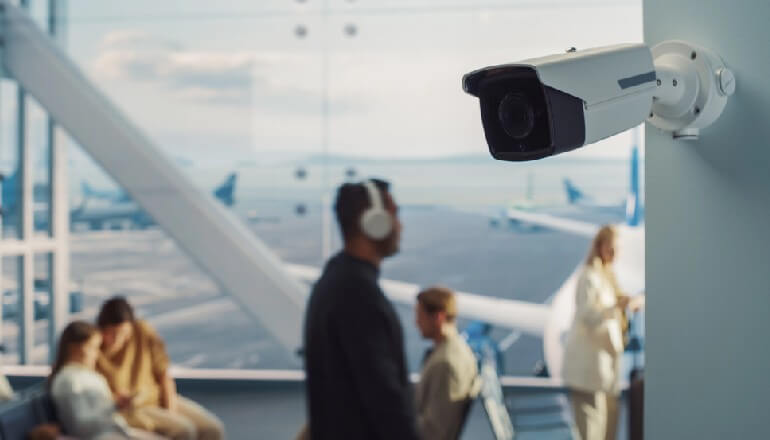
Commercial CCTV Bingley: What You Need to Know (and Why Data Protection Matters)
CCTV (Closed-Circuit Television) is a powerful tool for businesses — for security, deterring crime, monitoring safety, and gathering evidence. But in the UK, deploying CCTV is not just a question of choosing cameras and pointing them at key spots: there are legal obligations, especially around privacy and data protection. Failing to comply can lead to regulatory action, reputational damage, or worse.
In this blog, we’ll go through:
- The legal framework (UK GDPR & Data Protection Act 2018)
- The key compliance requirements for businesses using CCTV
- Practical do’s & don’ts
- Emerging issues & what to watch
Legal Framework
UK GDPR & Data Protection Act 2018
- The Data Protection Act 2018 (DPA 2018) is the UK’s implementation of data protection laws, working together with the UK version of the General Data Protection Regulation (UK GDPR).
- CCTV footage, when it captures identifiable people (including faces, possibly vehicle registration plates, etc.), is personal data, and so is subject to data protection laws.
The Role of the ICO
- The Information Commissioner’s Office (ICO) is the UK regulator responsible for enforcing data protection law. They provide guidance on how to use CCTV lawfully.
- Businesses using CCTV generally need to register with the ICO (unless exempt) and pay the relevant data protection fee.
Key Requirements for Businesses Using CCTV
Here are the main obligations and best practices for companies deploying CCTV systems:
| Requirement | What it means in practice |
|---|---|
| Lawful basis / Purpose | You must have a clear, legitimate reason for using CCTV (e.g. crime prevention, protecting staff or premises). The purpose must be documented. You can’t use CCTV for vague or “just in case” reasons. Also, purposes must be proportionate. |
| Transparency | Individuals whose images are captured must be informed. This usually means putting up visible, clear signage stating that CCTV is in use (and why). |
| Data minimisation & necessity | Don’t record more than needed: choose camera placement wisely, don’t capture areas where people have a strong expectation of privacy (e.g. bathrooms, changing rooms, private spaces). Make sure you only record as long as necessary. |
| Retention | Keep recordings only as long as needed for the purpose. Once the purpose is fulfilled, delete the footage. You must have policies for how long you keep footage. |
| Access & Subject Access Requests (SARs) | Individuals have the right to request the footage of themselves. Usually you must provide such footage within one calendar month. |
| Security of data | The footage must be stored securely, access restricted, protected from unauthorised access, loss, or disclosure. Think about technical and organisational measures. |
| Data Protection Impact Assessment (DPIA) | If the CCTV deployment is likely to result in high risk to individuals’ rights (e.g. large‐scale monitoring, facial recognition, or places with an expectation of privacy), then conduct a DPIA to assess risks and mitigate them. |
| Signage & public awareness | Clear signs so people know they are being filmed, plus the purpose and who operates the CCTV (or contact point). This helps with transparency and meets legal requirements. |
| Sharing footage | Only share footage when lawful — e.g. with the police or in response to a SAR. If sharing publicly (e.g. posting images online, “wanted” posters), you need to ensure it is proportionate and lawful. |
Practical Do’s & Don’ts
Here are actionable tips for businesses to keep their CCTV practice compliant and also effective.
Do:
- Define clearly why you need CCTV (e.g. to prevent theft, protect staff or customers, monitor high-risk areas).
- Map out where cameras will go, and consider whether certain angles might intrude privacy (public walkways, neighbouring properties, internal private areas).
- Use signs that are large, clear, visible, and legible stating “CCTV in operation” and purpose.
- Limit who can access the footage; keep a log of access.
- Review your CCTV policy regularly. Include retention periods, deletion schedules.
- Conduct a DPIA where required (especially with new or expanded systems).
- Train staff so they understand what using CCTV legally involves.
Don’t:
- Don’t place cameras in bathrooms, changing rooms, or other private spaces (because people have a strong expectation of privacy).
- Don’t use cameras for “spying” on employees in a way that violates trust or is overly intrusive (you need balance).
- Don’t keep footage indefinitely. Avoid vague retention policies.
- Don’t ignore requests from individuals to access their images — you must comply with SARs.
- Don’t overlook signage or transparency; failing to notify people that they are being recorded is a common error.
Data Protection Act & Latest Regulatory Developments
- Besides UK GDPR, the Data Protection Act 2018 is core. It includes extra rules, definitions, and allows for some exceptions. UK GDPR sets out the core principles (lawfulness, fairness, transparency, purpose limitation, data minimisation, accuracy, storage limitation, integrity and confidentiality). DPA 2018 adds additional context in UK law.
- The ICO’s guidance is under review due to the Data (Use and Access) Act coming into force on 19 June 2025. This may bring changes to how guidance is applied.
Reader Case Studies / What Happens If You Get It Wrong
To give you idea of the stakes:
- If an organisation fails to register or pay the ICO fee, it could be fined.
- If CCTV footage is misused, or people are filmed in private places without proper legal basis, there may be claims under data protection law or even under Human Rights law for invasion of privacy.
- Poor handling of Subject Access Requests (SARs) can result in enforcement actions.
- Reputation damage: being seen as “spying” on staff, or being secretive about what cameras are doing, leads to loss of trust.
Emerging Issues & Things to Watch
- Facial recognition / biometric processing: These are considered higher risk and may invoke special rules under UK GDPR (special category data) and stricter scrutiny. Use only if necessary and with robust justification.
- AI / smart surveillance: As cameras become “smarter” (e.g. detecting behaviours, license plate recognition, etc.), the risk of overreach and misuse increases. The rules around transparency, impact assessments, and privacy become more critical.
- Changing laws / guidance: With new legislation (e.g. Data (Use and Access) Act) coming in, ICO guidance may change. Businesses should monitor for updates.
- Privacy expectations changing: The public is more aware now of privacy, data rights. Even if something is legal, if it’s seen as invasive, it may harm your brand.
Summary
Commercial CCTV Bingley: Business CCTV is useful and often necessary — but it comes with legal responsibilities. To stay compliant:
- Identify and document your lawfulness and purpose
- Be transparent (signage etc.)
- Minimise intrusion / think about placement carefully
- Retain footage only as long as you need it
- Secure the data, with limited access
- Be prepared to comply with requests (SARs)
- Conduct DPIAs when risk is high
If in doubt, consulting with a legal professional specialising in data protection is wise, especially for more complex CCTV setups (facial recognition, large scale monitoring, etc.).


