
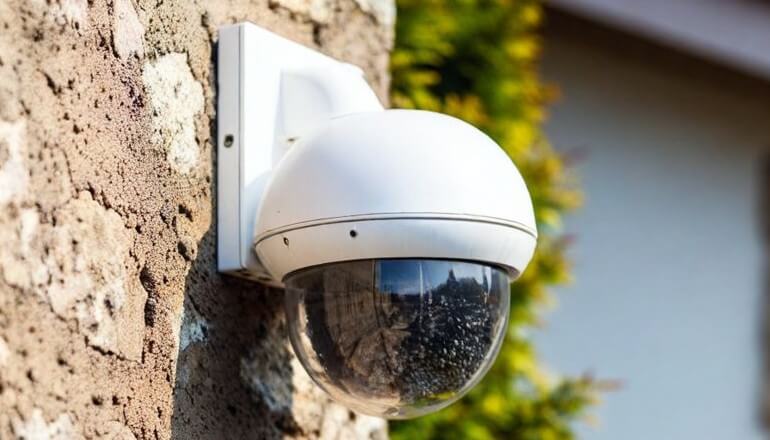
Home CCTV Systems: The Ultimate Guide for UK Homeowners
As security concerns grow, many UK homeowners are turning to CCTV (Closed-Circuit Television) systems to protect their property, deter intruders, and gain peace of mind. But with so many options on the market and evolving privacy laws, understanding the essentials of home CCTV can be overwhelming.
This guide breaks down everything you need to know—from choosing the right system to staying compliant with UK law.
Why Install a Home CCTV System?
- Crime Deterrent: Visible cameras significantly reduce the risk of burglary or vandalism.
- Evidence Gathering: Footage can support police investigations and insurance claims.
- Remote Monitoring: View live video from your smartphone or tablet anywhere, anytime.
- Peace of Mind: Keep an eye on pets, deliveries, or elderly family members.
Types of CCTV Systems
There are three main categories:
- Wired Systems
- Reliable with no interference
- Requires professional installation
- Better for long-term/permanent use
- Wireless Systems (Wi-Fi)
- Easier DIY installation
- More flexibility in placement
- May suffer from connectivity issues
- Smart CCTV (Cloud-based)
- Integrates with Alexa, Google Home, etc.
- Access footage from apps
- Subscription fees for cloud storage
Indoor vs Outdoor Cameras
- Outdoor Cameras: Weatherproof, night vision, motion detection, possibly integrated lights or alarms.
- Indoor Cameras: Compact, used for monitoring interiors, kids’ rooms, or as nanny cams.
Look for features like:
- HD resolution (1080p or higher)
- Two-way audio
- Motion-triggered alerts
- Cloud and local storage options
⚖️ UK Legal Requirements for Home CCTV
Homeowners must comply with the UK GDPR and Data Protection Act 2018 if their cameras capture footage beyond their property boundary (e.g. street or neighbour’s garden).
Key rules:
- Signage: Inform people they’re being recorded (a simple sticker is enough).
- Purpose: Use footage only for intended security reasons.
- Data Access: Respect the rights of individuals recorded.
- Retention: Don’t keep footage longer than necessary.
If footage only captures your own property, GDPR does not apply—but you should still follow best practices.


